The Australian federal government will halve the current fuel excise for at least three months as part of a national fuel security plan, following a cabinet meeting in Canberra this morning.
The prime minister announced the excise, which is currently 52.6 cents per litre, will be halved to 26.3 cents per litre for three months starting on April 1, 2026, responding to previous calls to reduce or remove the charge.
“We’re making fuel cheaper today because we understand that Australians are under serious pressure,” Mr Albanese said in a press conference today, with the change expected to reduce the cost of a 65-litre tank by $19.
The plan also sees the heavy vehicle road user charge, which currently adds 32.4 cents per litre to the cost of diesel for vehicles with a gross vehicle mass (GVM) of over 4.5-tonnes, reduced to zero for the same three-month.
CarExpert can save you thousands on a new car. Click here to get a great deal.
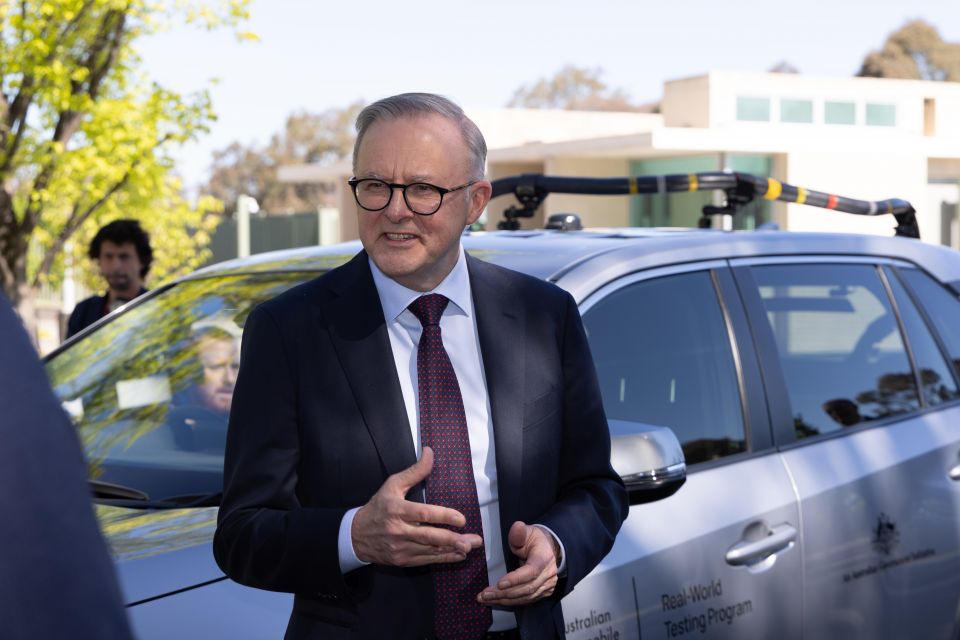
“People should enjoy their Easter, and it’s important as well that we keep the economy going,” said the PM.
“This is an important time for tourism destinations, for jobs. They rely upon that.”
Treasurer Jim Chalmers said the move will cost the federal budget around $2.55 billion, and added that the war in the Middle East is inflicting “serious damage” on the world economy.
“The steps that we’re announcing are all about taking some of the sting out of these higher petrol and diesel prices,” Mr Chalmers said, while also confirming the deferment of the next road user charge increase for six months.
The moves come following agreement on a national fuel security plan in a cabinet meeting in Canberra this morning to address ongoing fuel supply issues.
It means the government has enacted the second stage of the four-stage national fuel security plan, which Mr Albanese said is designed to avoid competing strategies across the states and territories.
Moving beyond stage one, which is to ‘Plan and prepare’ as the government monitors impacts of global factors, the the second stage is ‘Keeping Australia moving’, where fuel continues to flow but with minor disruptions.
Albanese says he hopes to avoid the third phase, but the national cabinet is “planning for it”.
The next step would include taking targeted action to maintain fuel supplies, with the final, fourth stage seeing the government take action to ensure critical fuel users are protected and the economy remains in operation.
Mr Albanese called this morning’s national cabinet meeting to determine a co-ordinated response to the fuel crisis impacting the price and availability of diesel and petrol across the country.
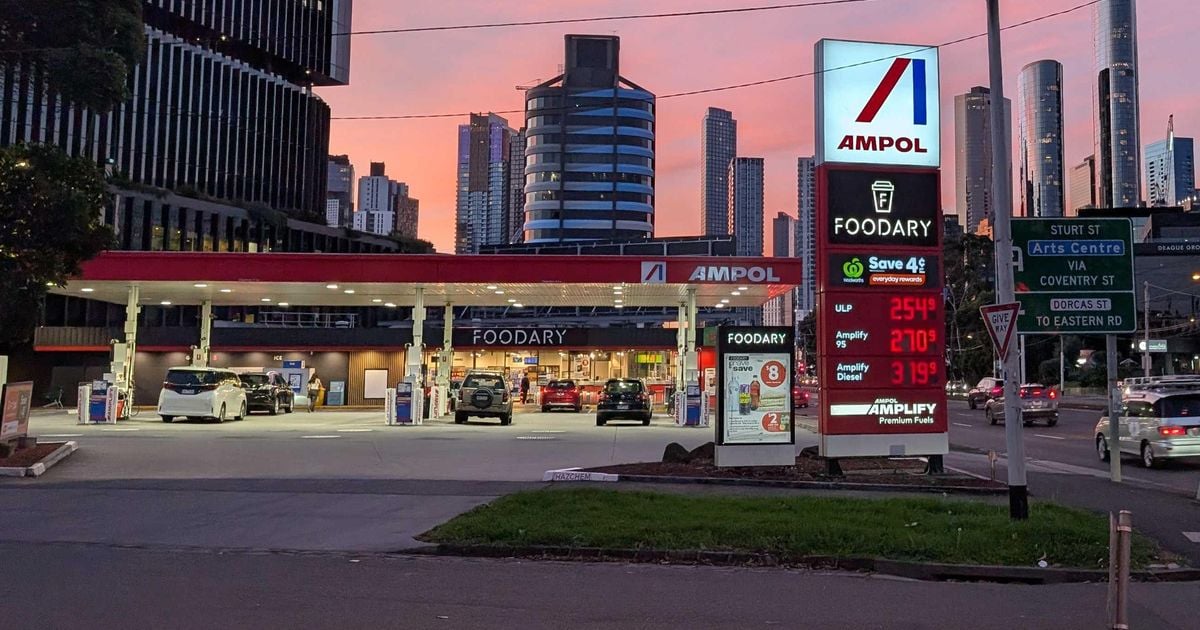
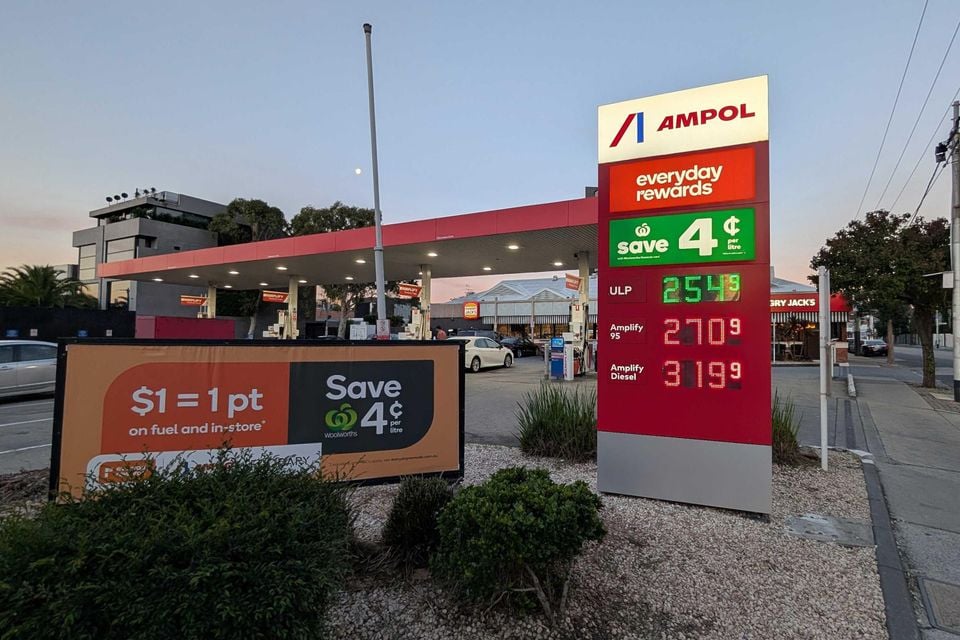
It’s the second time cabinet has met since the crisis began, with conflict in the Middle East resulting in a spike in demand and extreme price hikes. In some areas the price of petrol has reached around $2.50 per litre, with diesel as high as $3.19 per litre.
The prime minister and federal energy minister Chris Bowen have both previously called for calm, assuring motorists there is a constant supply of fuel into the country.
The new plan follows earlier moves to shore up fuel supply by underwriting oil shipments, freeing up emergency stocks, and allowing lower-quality diesel into Australia to reduce shortages.
Yet prices have continued to rise, impacting Australians more broadly as higher transport and shipping costs flow through to consumer goods and supermarket prices.
Fuel prices are also rising in other parts of the world, including the UK and US, where they have reached around $US4 per gallon (A$5.83 per gallon, or A$1.54 per litre).
The US has relaxed some emissions laws, permitting wider use of fuels containing ethanol, as well as releasing oil from its strategic reserve and easing restrictions on some shipments.
A proposed ‘tax holiday’ would see the US18.4-cent (27c) fuel tax – similar to Australia’s fuel excise – put on hold, however, this plan has not yet been approved by US Congress.
The UK government has offered a five-pence (A9.7c) tax break per litre of petrol since 2022, which is currently in place until at least August this year. Prices have risen to 18-month highs in the UK, where they now exceed £1.50 per litre (A$2.90 per litre) for petrol and £1.77 per litre (A$3.43 per litre) for diesel.
Reports out of the UK suggest fuel prices could continue to climb, with £1.85 per litre ($3.58 per litre) petrol on the horizon there.
MORE: Australia’s fuel rationing plan revealed: $40 fuel cap explained