SPONSORED
A lot has changed across the automotive landscape over the last 25 years.
In the past quarter-century we have seen the demise of local manufacturing, the dominant rise of SUVs and dual-cab utes, the introduction of electric vehicles, the arrival of new Chinese brands, and the dawn of driverless cars.
It’s been a turbulent start to the new millennium for motoring, and there are no signposts guiding us in one clear direction.
But as much as things change, with our roads becoming more congested and suburban runabouts become homogenous boxes with big screens, there is still a portion of owners that enjoy driving something special.
The purity of a sports car is, at its core, a selfish machine designed primarily for the driver’s pleasure on a backroad blast or the rush of a racetrack.
They are the cars we all fell in love with and hung posters of on our walls as kids, but they’re few are far between today unless you’ve got more than six (or even seven) figures burning a hole in your bank account.
Affordable coupes and sports cars from Japanese automakers like Honda, Nissan, Mazda and Toyota were hugely popular in the 1970s and 1980s, when they became more efficient and lightweight alternatives to American muscle cars.
The Honda Prelude was a prime example and, along with the likes of the Nissan Z, Mazda RX-7 and Toyota Celica/Supra, established Japan as the new epicentre of high-tech performance motoring.
But demand for sports cars waned in the early 2000s and, after five generations, Honda dropped the Prelude from its lineup in 2001.
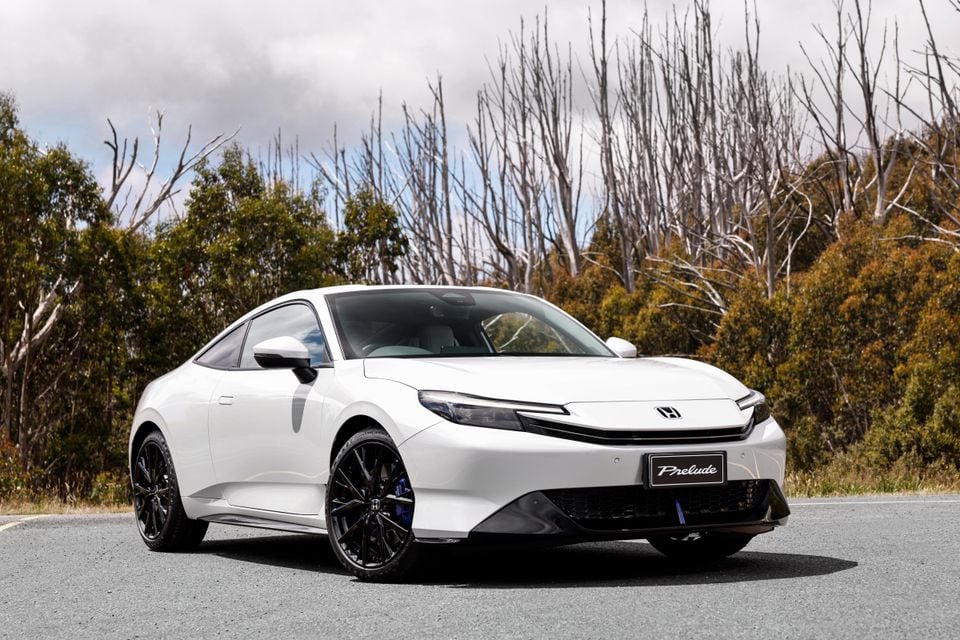
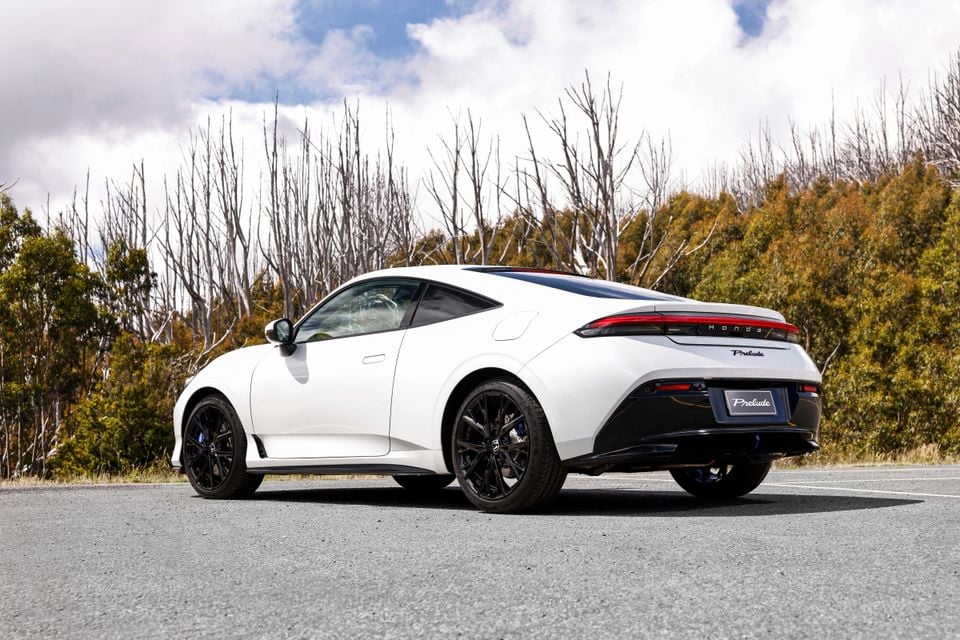
However, the nameplate is making a comeback this year with a bold, new coupe perfectly suited for the new millennium with a hybrid powertrain and a quarter of a century of Type R engineering under its sleek two-door silhouette.
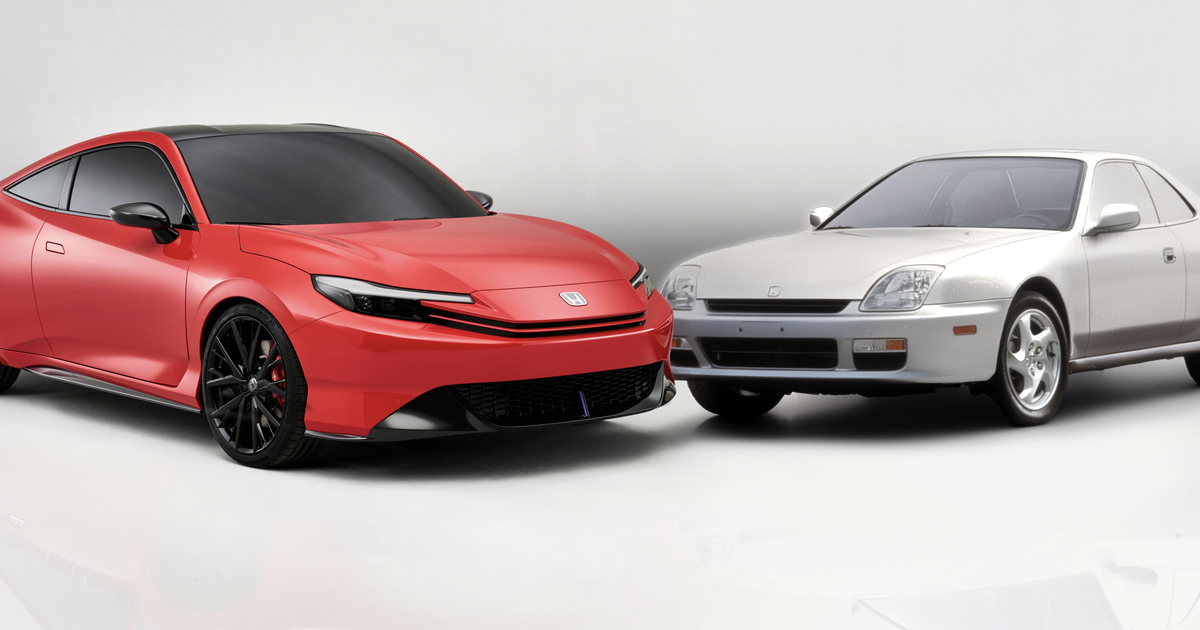
So let’s take a trip down memory lane and compare the incoming sixth-generation Prelude to its most recent predecessor.
BB5 Honda Prelude: 1997-2001
Before we dig deep into the last model, the Prelude has played a pivotal role for Honda in introducing new technologies over its five previous generations.
Originally introduced in 1979, it was the first Honda in Australia to feature a five-speed manual transmission.
The second-generation Prelude launched in 1983 was the first Honda to be available with optional anti-lock brakes, the third generation in 1987 introduced us to four-wheel steering, and the fourth generation in 1992 was among the first to feature Honda’s VTEC variable cam timing system. All were significant milestones for the Japanese brand.
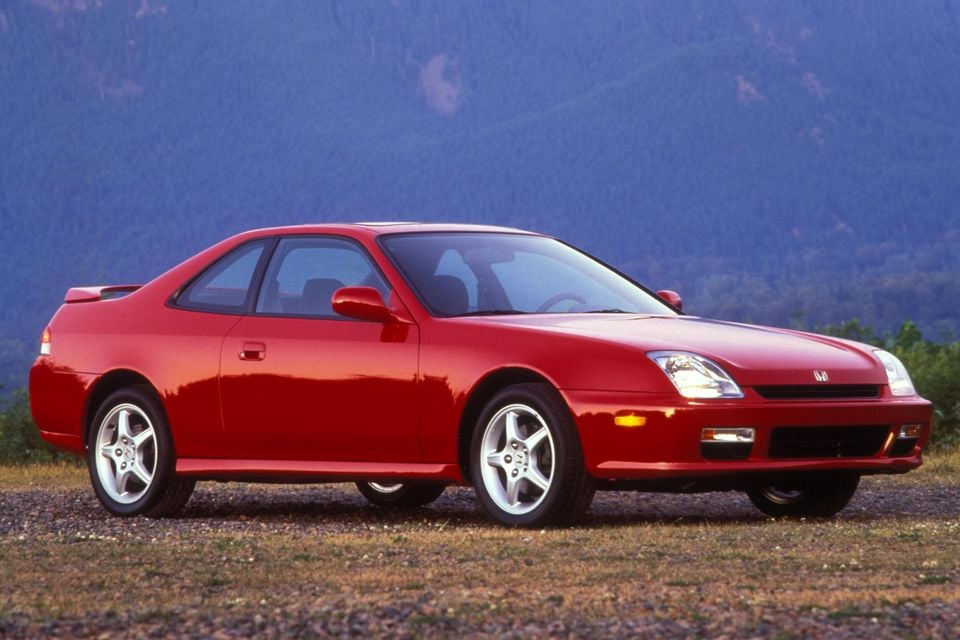
The fifth-generation Prelude (codenamed BB5) was introduced to Australia in January 1997 and was available here in three model grades: the entry-level Si and mid-spec VTi-R – both with the choice of five-speed manual or four-speed automatic transmissions – and the manual-only flagship ATTS with its breakthrough Active Torque Transfer System.
This active front differential effectively distributed up to 80 per cent of the engine’s torque to the outside front wheel when accelerating through a corner to counter the natural tendency of understeer in a front-wheel drive vehicle.
The sharp, angular style of the fifth-generation Prelude was penned by Manabu Konaka (who later went on to lead the design of the CR-V) and was an instant hit among Japanese performance car enthusiasts. It still looks relatively modern today.
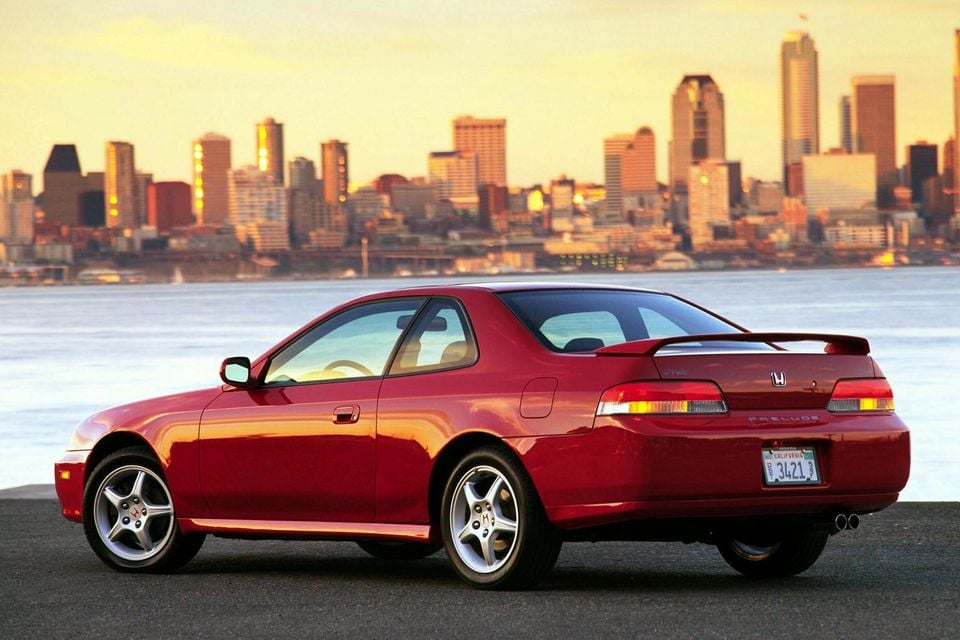
Under the bonnet, the Si was powered by a 2.2-litre naturally aspirated four-cylinder petrol engine (codenamed F22Z6) that produced 118kW of power at 6000rpm and 201Nm of torque at 5000rpm.
Both the VTi-R and ATTS featured an upgraded version of the 2.2-litre with VTEC cylinder-heads (H22A4), increasing its peak outputs to 143kW at 7000rpm and 212Nm at 5250rpm. Tipping the scales at just 1305kg, it could accelerate from 0-100km/h in eight seconds.
All models were equipped with power windows, driver and passenger airbags, and anti-lock brakes. Apart from the ATTS system, the range-topper had four-wheel steering, a six-speaker AM/FM cassette player, and 16-inch alloy wheels. Sat-nav wasn’t even a thing back then!
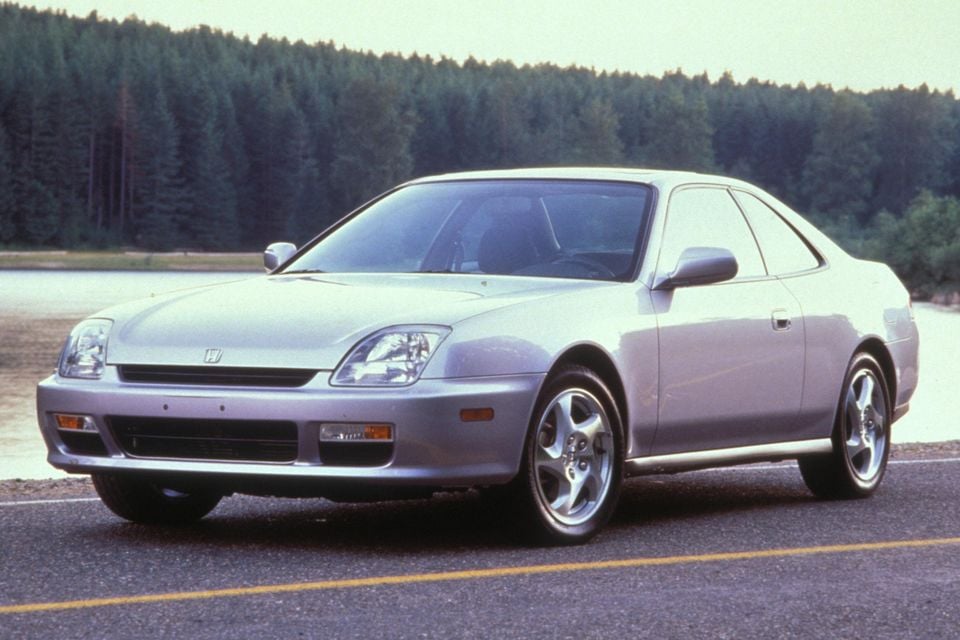
Pricing started at $39,550 plus on-road costs for the base Si manual when it was first launched, and topped out at $48,850 plus on-roads for the flagship ATTS.
When it was eventually discontinued, the flagship Prelude was priced at $50,209, which is equivalent to around $95,000 today when accounting for inflation.
BF1 Honda Prelude: 2026
The all-new sixth-generation Honda Prelude is due to arrive in Australian showrooms later this year, ending a 25-year gap for the iconic nameplate.
It continues the legacy of its predecessors as a two-door, front-drive sports coupe, but that’s about where any similarities start and end.
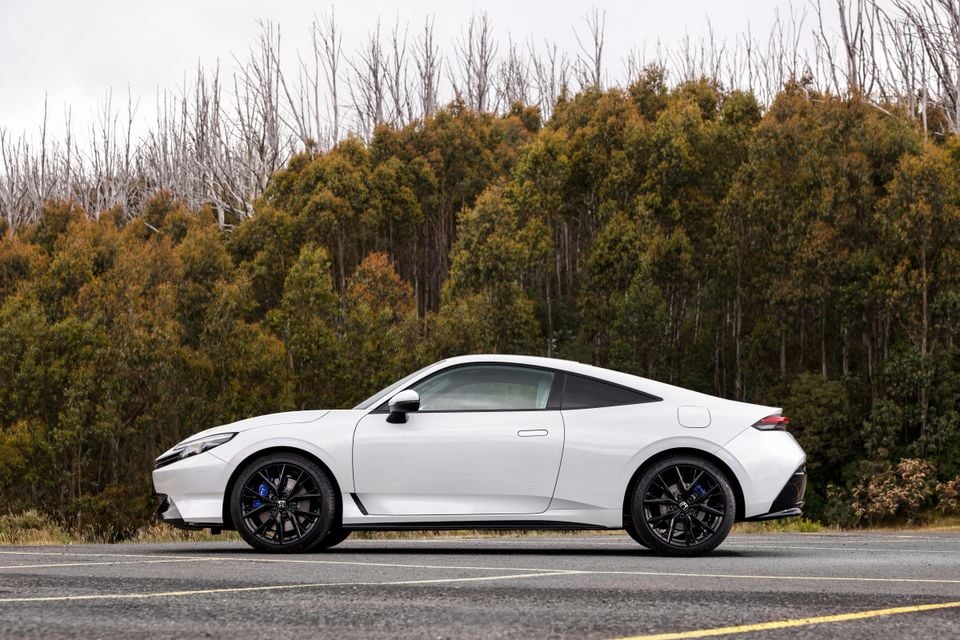
The 2026 Honda Prelude is the first of its kind with a hatchback body style, no manual transmission option and a petrol-electric hybrid powertrain.
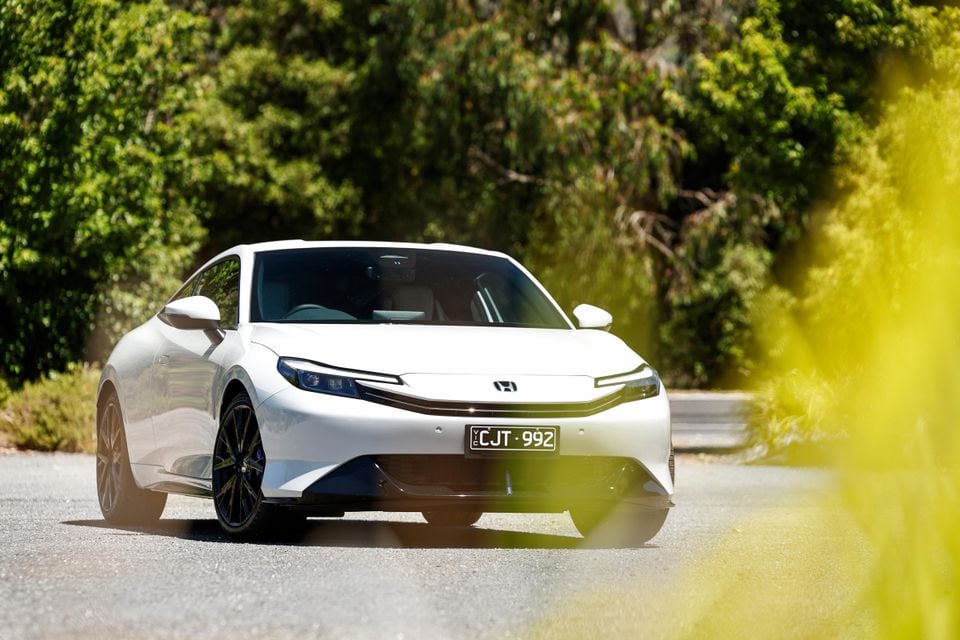
It shares many of its fundamental mechanical and structural underpinnings with the latest, 11th-generation Civic but is slightly smaller in all physical dimensions and rides on a shorter wheelbase (2605mm vs 2735mm).
Under the bonnet, it links a lean-burning 2.0-litre naturally aspirated four-cylinder petrol engine to a unique version of Honda’s e-CVT automatic transmission that features a pair of electric motors which produce combined maximum outputs of 147kW and 315Nm.
The continuously variable transmission features a new drive mode developed specifically for the Prelude called S+ Shift, which simulates gear ratios and even blips the throttle on downshifts for a more engaging driving character.
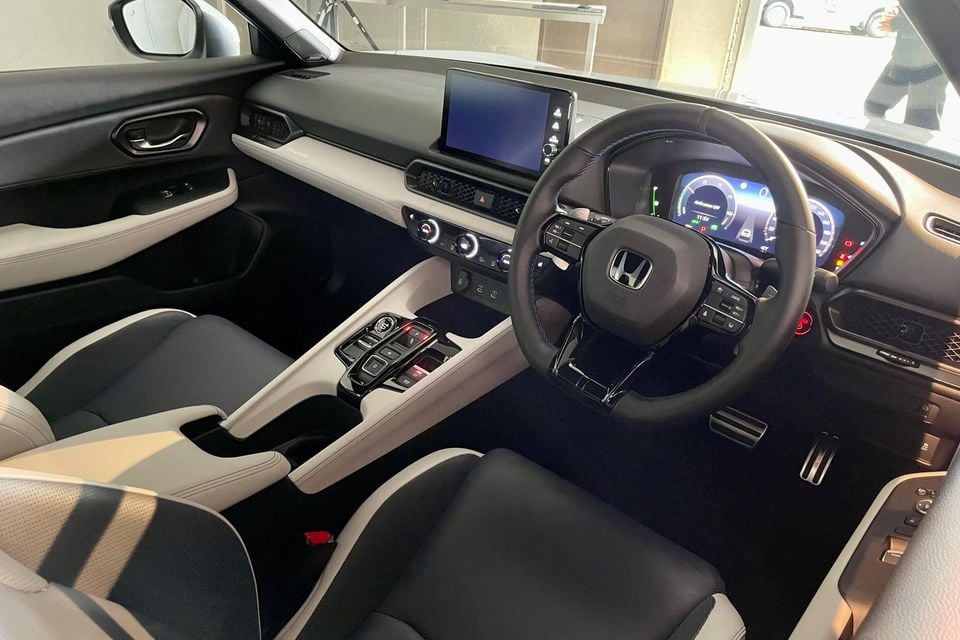
The chassis includes a front-end that uses knowledge and components from the Civic Type R, including adaptive dampers, dual-axis suspension and Brembo brakes inside 19-inch alloy wheels.
The Prelude will be offered in a single model grade priced at $65,000 drive-away and will come equipped with a generous list of standard equipment.
This will include leather-trimmed sports seats, twin digital displays wireless smartphone mirroring and Google Built-In software, plus the latest in advanced safety systems and autonomous driver aids.