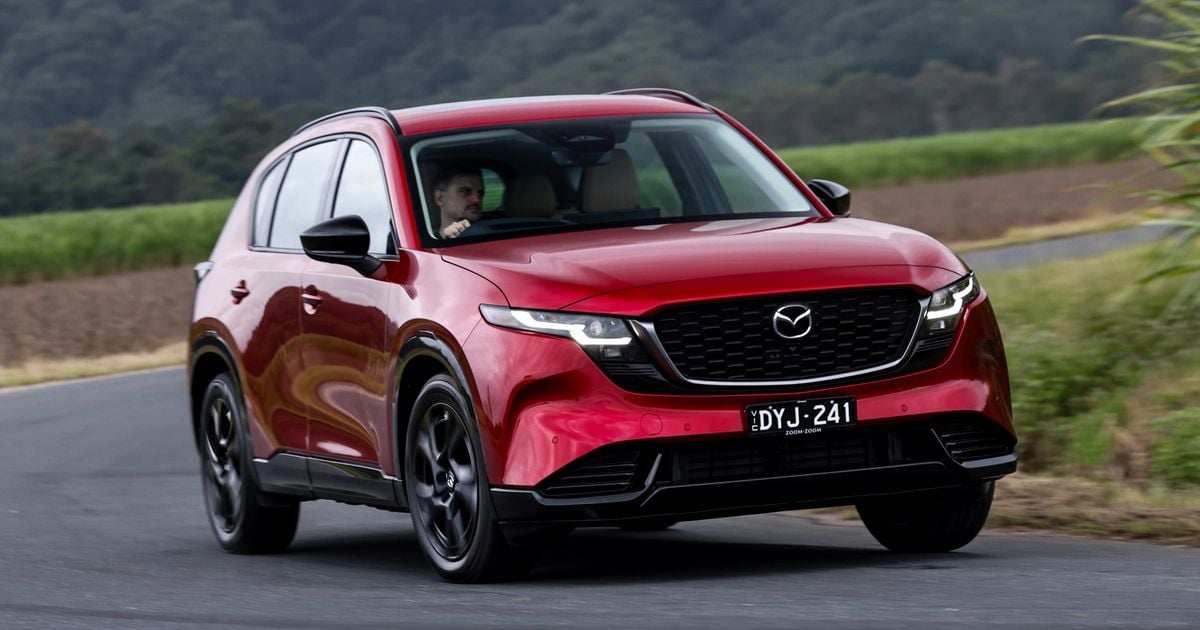
For most Australians, the Mazda CX-5 needs no introduction. It was a smash-hit from the moment it arrived here in 2012, and over two generations became the nation’s most popular mid-size SUV for seven consecutive years between 2013 and 2019, before the onset of the Toyota RAV4 juggernaut.
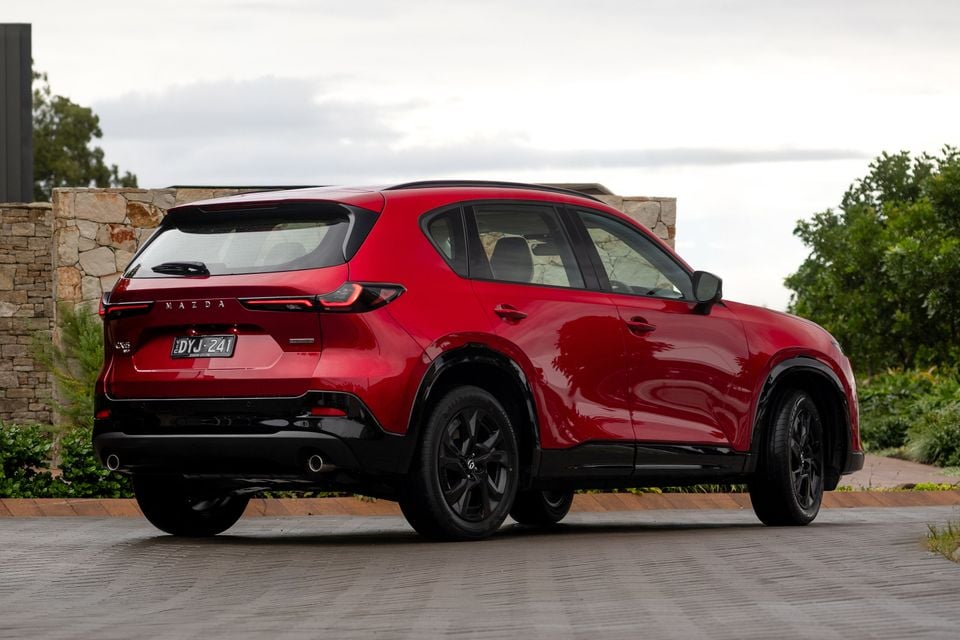
Now after 14 years – and nine years of the second-generation CX-5 – Mazda’s best-seller, both globally and locally, has entered its third generation, and arrives in Australia just months after the sixth-generation RAV4.
But Mazda Australia has only modest sales aspirations for the new CX-5, which is expected to be about as popular as before, despite the RAV4 finding twice as many homes last year in Australia, where it was the top-selling SUV bar none in 2025 (though the CX-5 claimed the mantle in January 2026 for the first time in six years).
That’s because the new CX-5 faces stiff competition from not only Toyota, but a range of new entrants in the medium SUV category – in which Mazda will soon field three models, with the electric CX-6e joining the CX-5 and CX-60 next month – which is now the biggest market segment by both sales volume and model count.
However, it may also be because the 2026 Mazda CX-5 is not an all-new model, but rides on an upgraded version of Mazda’s transverse-engine, front-wheel drive Small Product Range platform, rather than the longitudinal-engine, rear-drive Large Product Range architecture that underpins all of Mazda’s larger SUVs.
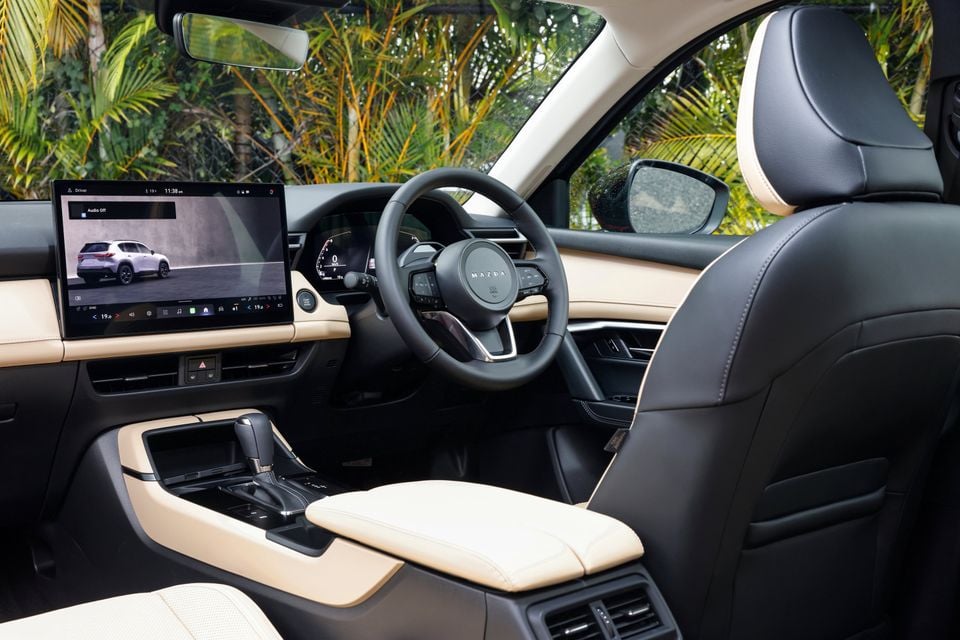
The new CX-5 also arrives fitted exclusively with an updated version of its naturally aspirated 2.5-litre four-cylinder petrol engine that’s less powerful and no more efficient, in part because the new model is bigger and heavier than before.
And, in the absence of a price-leading 2.0-litre front-drive variant, prices are up at base level, in a model range that has shrunk from eight to five members – all of them fitted with all-wheel drive as standard.
The outgoing CX-5’s peppy 2.5-litre turbo-petrol engine option has also disappeared, following the axing of diesel and manual options several years ago, and Europe’s even less powerful mild-hybrid engine won’t be available here.
However, Mazda will reveal the first CX-5 Hybrid next year ahead of its local release, powered not by the Toyota-sourced powertrain in the US-market CX-50, but a Mazda-engineered petrol-electric powertrain based around its new Skyactiv Z petrol engine, which will not employ a continuously variable automatic transmission (CVT) in an effort to make it sportier than the RAV4 Hybrid.
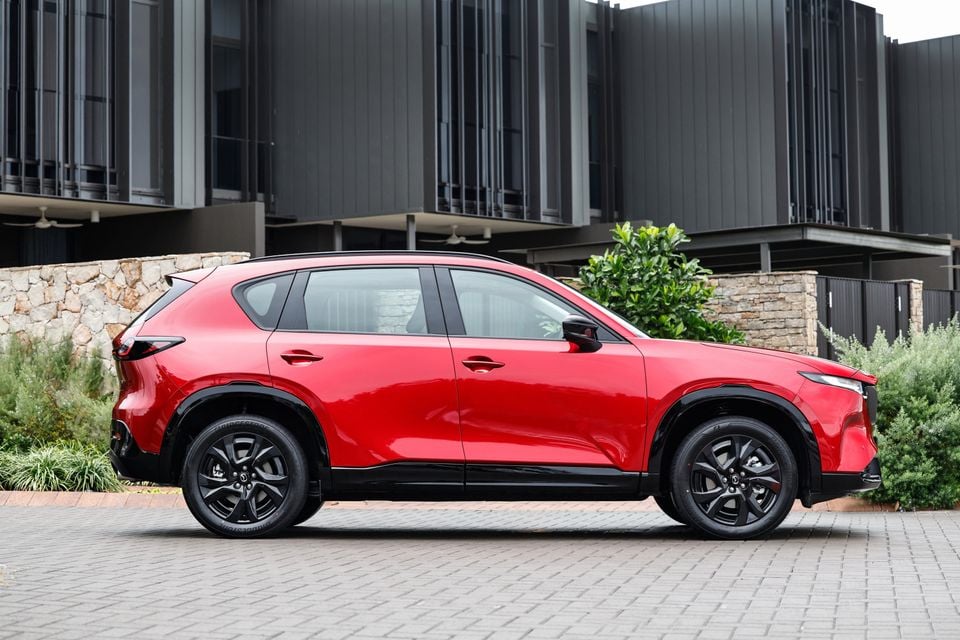
Importantly, the interior of the 2026 CX-5 also ditches almost all of its physical controls in favour of larger infotainment touchscreens.
Find your perfect new car with CarExpert
On the flipside, the new CX-5 is bigger in almost all dimensions, creating a more spacious cabin that now features more safety functions, more technology, and more equipment, leading Mazda to claim a significant improvement in value across the range.
Has Mazda done enough to maintain the CX-5’s position as one of Australia’s favourite SUVs? Or has it rested on its laurels and played it too safe amid a sea of formidable foes?
How much does the Mazda CX-5 cost?
For 2026, the new CX-5 lineup claims to go hard on value. As we reported back in March, prices are technically up but specification levels are also higher across the range, which continues to comprise five trim grades – all with 2.5-litre non-turbo petrol power and all-wheel drive.
| Model | Price before on-road costs |
|---|---|
| 2026 Mazda CX-5 G25 Pure AWD | $39,990 |
| 2026 Mazda CX-5 G25 Evolve AWD | $42,990 |
| 2026 Mazda CX-5 G25 Touring AWD | $47,490 |
| 2026 Mazda CX-5 G25 GT SP AWD | $51,990 |
| 2026 Mazda CX-5 Akera AWD | $54,990 |
Variant names are now aligned with the rest of the Mazda range, but gone are the previous entry-level 2.0-litre engine, the three base front-drive variants, and the two range-topping Turbo grades.
Pricing starts from $39,990 before on-road costs for the entry-level CX-5 Pure, a few thousand up on the outgoing G20 Maxx’s $37,990 drive-away pricing offer (although the cheapest all-wheel drive CX-5 previously was the Touring AWD priced at $45,600 plus on-roads), with the flagship Akera priced from $54,990 plus ORCs.
Mazda points out the new entry-level Pure gets a bigger engine and AWD, which was previously a $3000 option, and while all other variants are pricier than before they gain significantly more equipment, including the volume-selling mid-range Evolve and the Akera flagship, which scores a larger panoramic sunroof.
Apart from the all-hybrid RAV4 lineup priced from $45,990 plus ORCs, the CX-5’s most direct competitors continue to be the Mitsubishi Outlander (from $39,990), Hyundai Tucson ($39,100), Kia Sportage ($38,490), Nissan X-Trail ($38,140) and Subaru Forester ($43,490).
To see how the Mazda CX-5 lines up against the competition, check out our comparison tool
What is the Mazda CX-5 like on the inside?
The new CX-5 cabin continues to be comfortable, family-friendly and highly ergonomic, offering Mazda’s typically high standard of design, build and material quality – for the most part (see below).
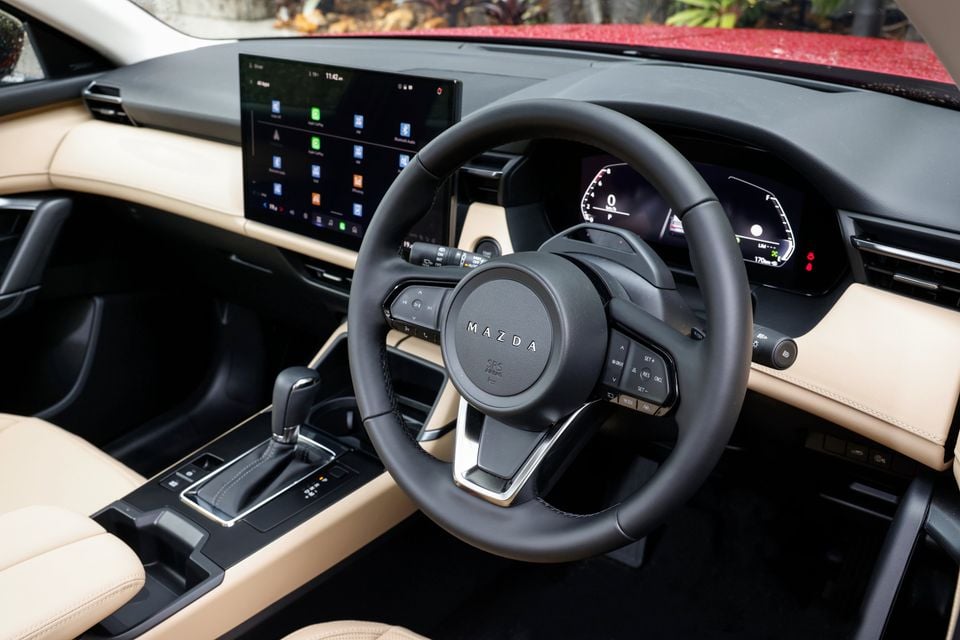
But it’s bigger than before thanks to a 115mm-longer wheelbase, with a body that’s also 115mm longer, 15mm wider and up to 20mm higher, liberating 64mm more rear kneeroom, 29mm rear headroom, 21mm more rear shoulder room, 5mm more rear legroom, and 43 litres more boot capacity.
More apparent than that when you first get in is the disappearance of Mazda’s traditional BMW iDrive-style rotary infotainment controller on the centre console, which has been replaced by a 12.9-inch multimedia touchscreen, and an even larger 15.6-inch unit for the flagship Akera grade.
I was a fan of the console dial seen in all Mazdas for several generations now – with and without touchscreen functionality – because it allowed you to fiddle with audio and vehicle functions while comfortably resting your elbow on the centre armrest, unlike any touchscreen.
But Mazda says the new CX-5 now has so many apps and systems that a similar central dial would have been impractical, so its new interface groups almost all functions onto a horizontal tablet-style screen that’s mounted as high on the dash as its previous in-built units.
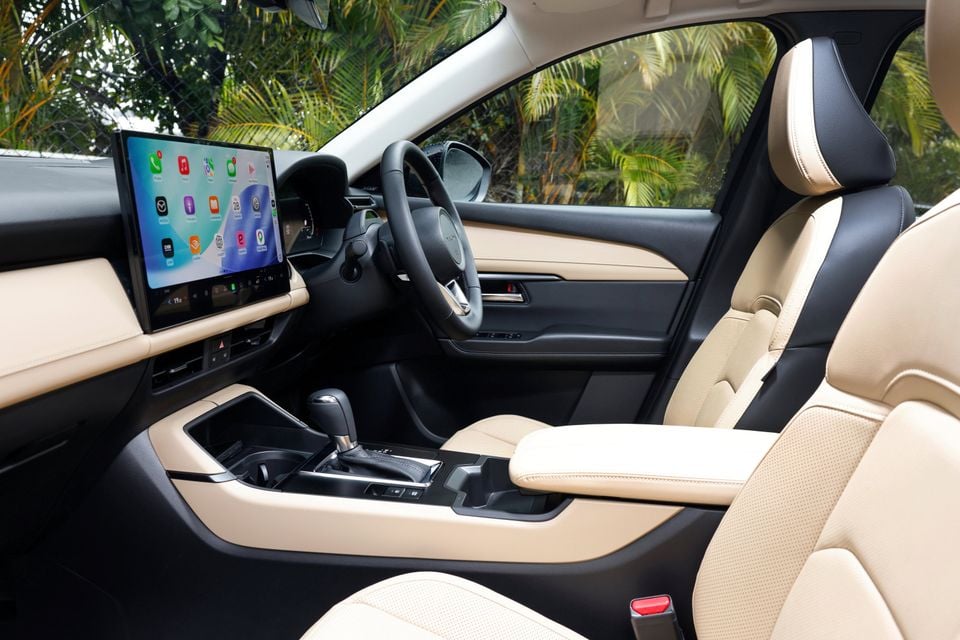
Thankfully, all of the key climate controls remain visible in a row at the bottom of the screen, and the CX-5’s voice control system works reasonably well for most functions. And of course there’s Apple CarPlay and Android Auto smartphone mirroring, which is what most of us use these days anyway.
But the only physical buttons are for the demisters and hazard lights on the dash, and the tailgate and fuel flap releases to the right side of the tiller. Of course there’s volume and other audio controls on the steering wheel, but everything else is on-screen.
There’s also no wireless smartphone connectivity in the base Pure, while native satellite navigation has been dropped across the range, nor sadly the Android-based Google Built-in operating system that’s available in Europe, so there’s no access to Google Assistant, Google Maps or Google Play here.
However, the Mazda Connected Services app does offer some remote functions including Vehicle Status, Stolen Vehicle Assistance, Remote Lock, Flash Lights, Vehicle Locator, Curfew Notification, Geofencing, and Emergency SOS call.
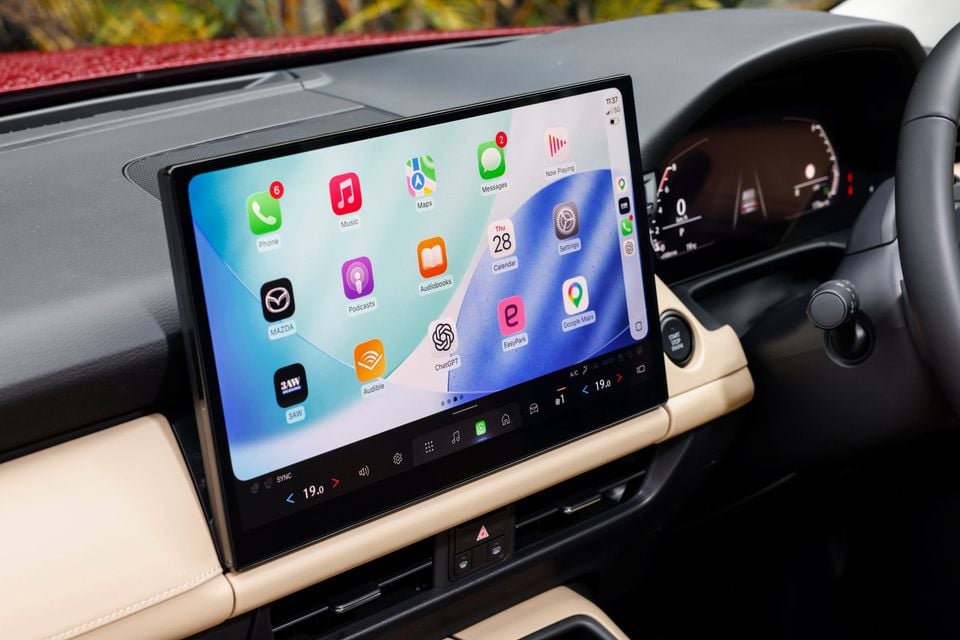
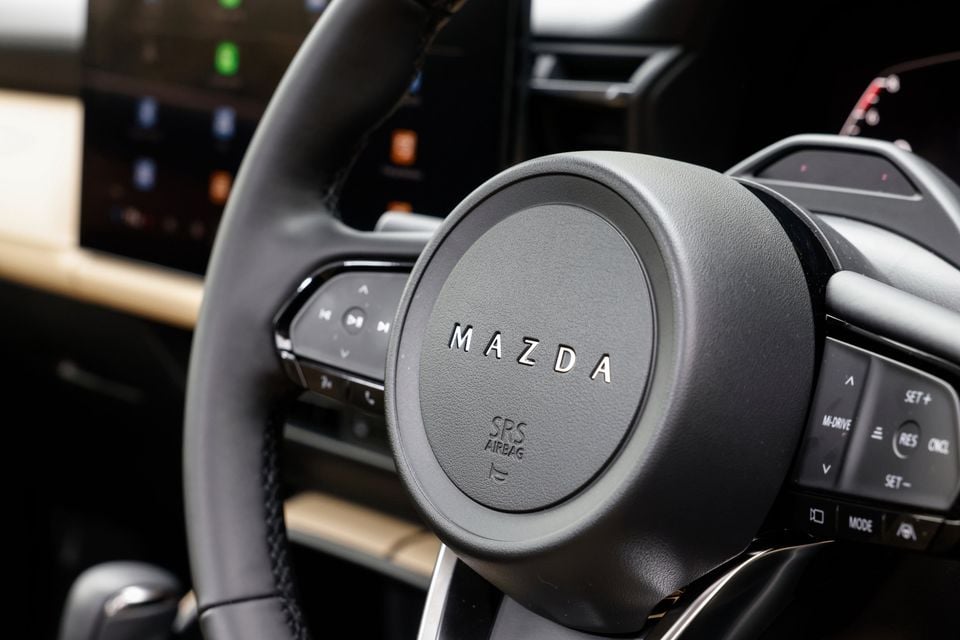
There’s also a crisp and clear 10.25-inch digital instrument cluster, plus a quality eight-speaker sound system (12-speaker Bose for GT SP and Akera), and a classier steering wheel with tactile, intuitive physical controls for the cruise, audio and phone functions, as well as now the drive modes and surround-view camera views (from GT SP level).
Overall, the screen-heavy design makes the new CX-5 interior look a bit more generic and I miss the old rotary controller, but the fresh interior design is simple, clean and looks more modern, and the high-resolution screen has cool 3D graphics, fast processing speeds, and click and drag icon functionality.
There’s also a lift in perceived luxury due to the fitment of more premium materials throughout – but only in some variants, which also miss out on key equipment.
At base Pure level there’s no 15W wireless phone charger, no proximity key, no front seat heating and no rear air vents, and there is hard plastic everywhere except on the dashtop and the soft central and door armrests.
Plus the steering wheel is now trimmed in fake rather than real leather, all of which looks like clear cost-cutting measures. A head-up display no longer features in all grades – only from the Touring grade.
But ergonomics remain a highlight across the range thanks to plenty of steering wheel reach and rake adjustment, and front-seat height adjustment even in the base Pure, in which the cloth-trimmed seats are still comfortable.
Cabin storage is also a strong point with a decent sized glovebox, larger cupholders now positioned more conveniently in front of a traditional gear shifter, bottle holders in all four doors, and plenty of nooks and crannies to store paraphernalia. Thoughtfully, there’s even a slot on the centre console to put the key fob in.
Rear-seat occupants are well catered for with rear-facing vents for all grades but the Pure, two USB-C outlets to match those up front, a fold-down armrest with cupholders, all of the requisite child seat anchors, two-position seatback recline, rear doors that open to 90 degrees, and a little more legroom than before.
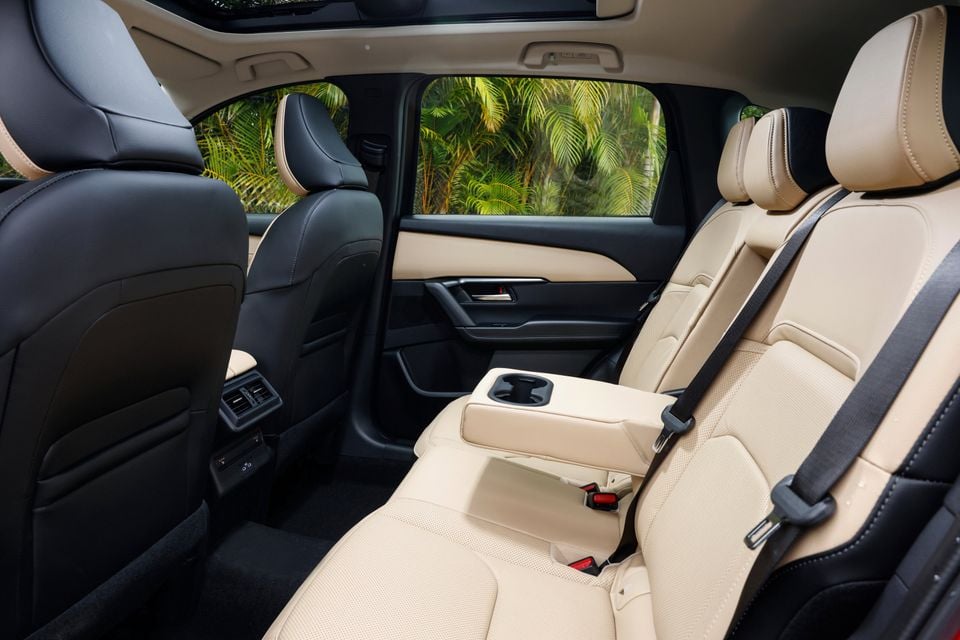
Back-seat occupants get the same high-quality trim and construction as people up front (unlike in some mid-size SUVs), and the extra rear stretching space now puts the CX-5 on par with most of its key competitors.
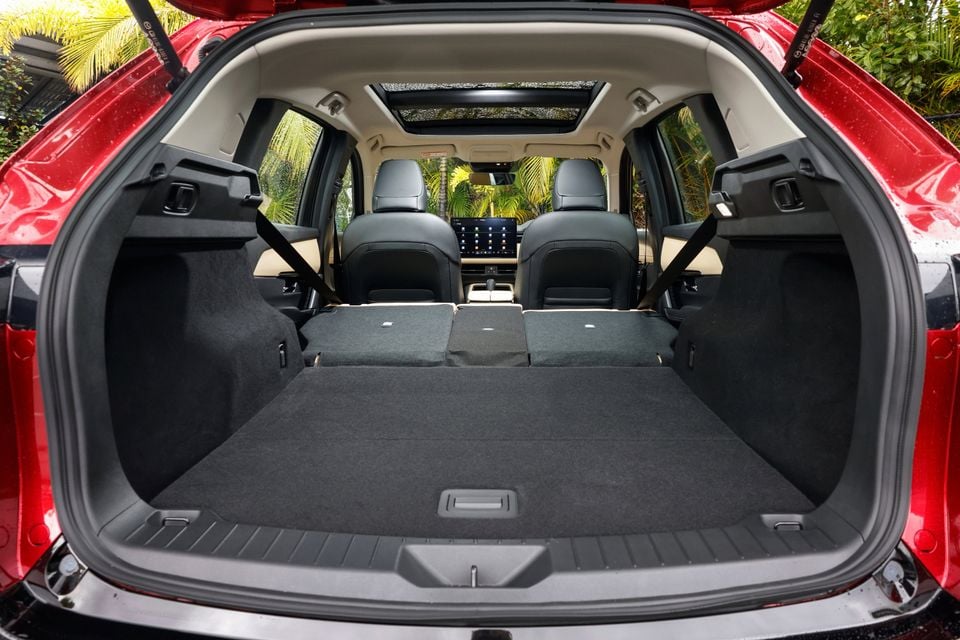
Cargo capacity has also improved thanks to the car’s larger footprint but it’s still not class-leading. However, the boot is now more convenient to use because its opening aperture is 26mm higher at the top, its floor is 45mm lower, and there’s no loading lip.
It’s made even more flexible by deep tubs at both sides, a standard cargo cover, 12V socket, illumination, four cargo hooks, and a 40/20/40-split rear seatback that can be folded down almost completely flat via levers in the cargo area.
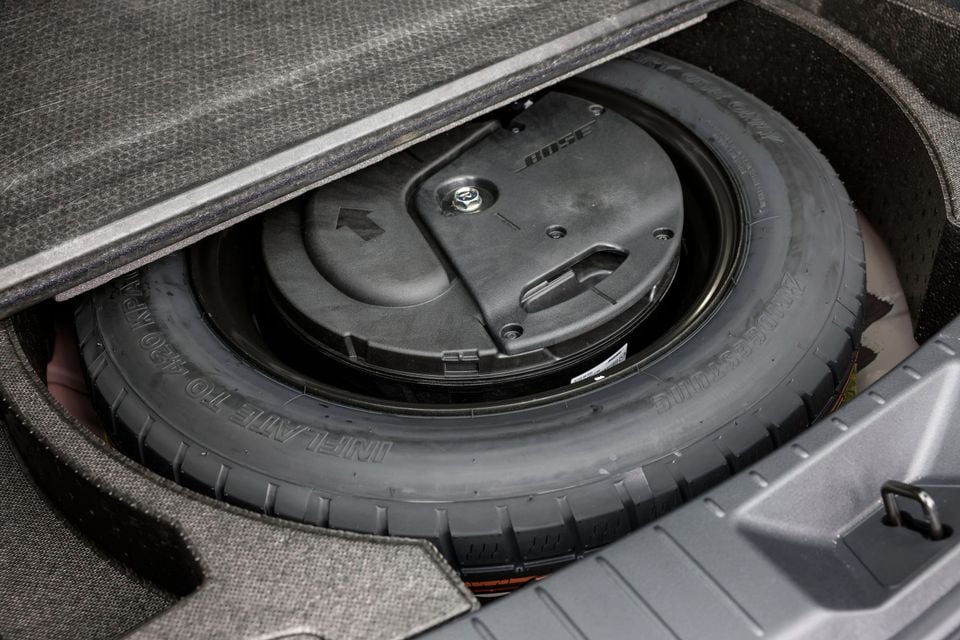
All CX-5s continue to score a space-saver spare wheel under boot floor, which is better than a tyre repair kit but not as good as a full-size spare.
| Dimensions | Mazda CX-5 |
|---|---|
| Length | 4690mm (+115mm) |
| Width | 1860mm (+15mm) |
| Height | 1695mm (+15-20mm) |
| Wheelbase | 2815mm (+115mm) |
| Cargo capacity | 466/1594L – VDA (+43L) |
To see how the Mazda CX-5 lines up against the competition, check out our comparison tool
What’s under the bonnet?
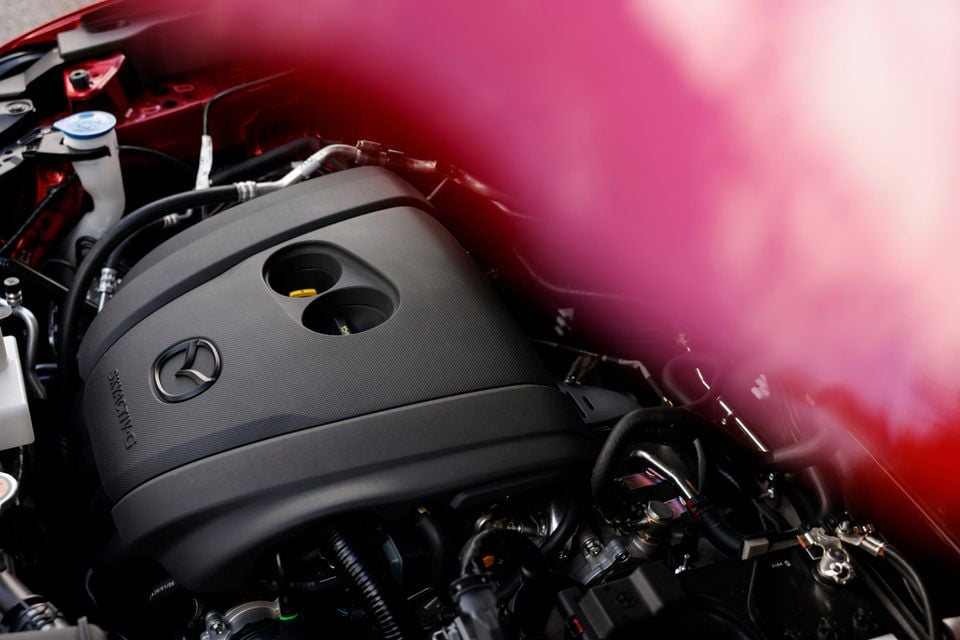
The 2026 Mazda CX-5 arrives with just one powertrain – an updated naturally aspirated ‘G25’ 2.5-litre four-cylinder petrol engine making 132kW of power at 6000rpm and 242Nm of torque at 4000rpm on 91-octane standard unleaded, driving all four wheels via a six-speed automatic as standard.
| Specifications | Mazda CX-5 |
|---|---|
| Engine | 2.5L 4cyl petrol |
| Power | 132kW at 6000rpm (-8kW) |
| Torque | 242Nm at 4000rpm (-10Nm) |
| Transmission | 6-speed auto |
| Drive type | All-wheel drive |
| Weight | 1720kg-1749kg – Kerb |
| 0-100km/h (claimed) | – |
| Fuel economy (claimed) | 7.4L/100km |
| Fuel tank capacity | 58 litres |
| Fuel requirement | 91-octane regular unleaded |
| CO2 emissions | 173g/km (+1g/km) |
| Emissions standard | ADR 79/05 |
| Braked tow capacity | 1800kg (750kg unbraked) |
|
Turning circle |
11.2m |
Due to tighter emissions standards globally, those numbers are down 8kW and 10Nm on the outgoing CX-5’s G25 engine, but Mazda says 95-octane premium unleaded will increase outputs to 138kW and 257Nm.
That’s just 2kW down but actually 5Nm up on the engine it replaces, so whether the extra performance is worth the extra fuel cost is your call.
To see how the Mazda CX-5 lines up against the competition, check out our comparison tool
How does the Mazda CX-5 drive?
The CX-5 has always been one of the class-leaders when it comes to ride and handling, and we’re happy to report that remains the case.
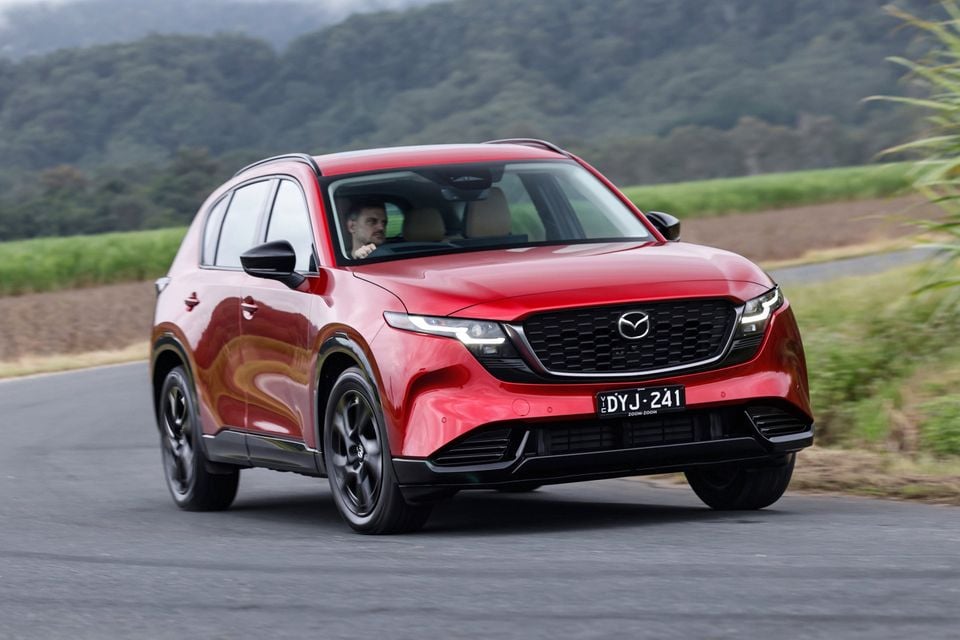
While the Australian press launch was limited to two hours of driving out of the Gold Coast and onto the twisty and bumpy backroads of the Tweed hinterland, it was enough to discover the new SUV continues the tradition of its forebears with a well-sorted chassis that’s perfectly suited to buyers in this segment.
However, the steering is lighter than before, and it’s a shame the Sport mode does not firm things up. You can choose between Normal, Sport and Off-Road via either the screen or steering wheel, but there’s no change to the steering – only the transmission logic and throttle pedal mapping.
There’s also a delay when you change modes, with the display on the instrument cluster taking a moment or two to catch up, by which time you’ve tried again and selected the wrong mode, but owners will get used to this.
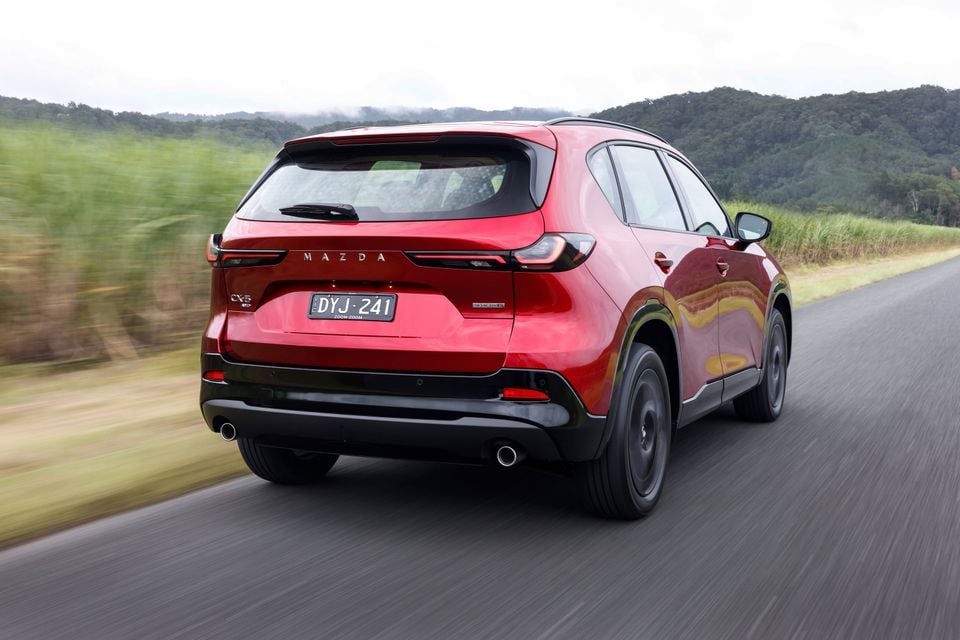
Overall, though, the new CX-5 offers impressive ride comfort – both on 17-inch rubber and the 19s offered from Touring level – yet remains ahead of most competitors in terms of dynamics, remaining serene and composed even when pushed hard in tight and pockmarked bends.
From expert reviews to the right deal
CarExpert brings together reviews, research tools and trusted buying support, guiding you from research to delivery with confidence.
While the steering may have lost some of its characteristic playfulness, the longer wheelbase, 30mm wider rear track and extensive suspension upgrades including slightly lower spring rates, more responsive damping, and revised anti-roll bars and bump stops give the latest CX-5 a slightly more stable and mature dynamic persona.
There’s a noticeable uplift in refinement too, thanks to lower noise, vibration and harshness levels across the board. The 2.5-litre petrol four is also a touch smoother and quieter, but remains the loudest part of the CX-5.
No, the modest reductions in peak power and torque outputs aren’t noticeable behind the wheel, even in combination with the extra weight due to the CX-5’s larger dimensions (kerb weight is now 1720kg – up from 1695kg in the old Touring AWD), and Mazda’s mid-size SUV continues to offer appropriate performance in its class.
The CX-5’s six-speed torque-converter auto remains the perfect match for the G25 engine, remaining smooth and decisive at all times unlike the eight-speed wet-clutch auto in Mazda’s larger SUVs. The electric parking brake with auto-hold function is just as user-friendly.
We didn’t get the chance to record a representative real-world fuel consumption figure on the launch, and the unchanged 7.4L/100km combined-cycle figure is becoming high for this class.
A seamless engine idle-stop system continues as standard, and any fuel savings from Europe and Japan’s 24-volt mild-hybrid system would be accompanied by more pedestrian performance, but the first CX-5 Hybrid can’t come soon enough.
As we’ve come to expect from Mazda, all of the CX-5’s driver aids and safety systems work subtly but effectively, including the lane-keeping function that works well but is never overbearing in its intervention, and the driver attention monitor that offers a gentle visual warning only if your hands obscure its camera.
To see how the Mazda CX-5 lines up against the competition, check out our comparison tool
What do you get?
There are five variants in the new CX-5 range, each now differentiated only by their equipment levels.
2026 Mazda CX-5 Pure equipment highlights:
- 17-inch alloy wheels with 225/65R17 tyres
- LED headlights with auto on/off
- High Beam Control – auto high-beam
- 10.25-inch TFT LCD instrument cluster
- 12.9-inch central infotainment system
- Apple CarPlay, Android Auto – wired
- Black cloth trim
- 8-way manual driver’s seat adjustment
- Parking sensors – front, rear
CX-5 Evolve adds:
- Frameless, auto-dimming rear-view mirror
- Side mirrors – auto-folding, heated
- Heated front seats
- Apple CarPlay, Android Auto – wireless
- Wireless smartphone charger
- Smart keyless entry
- Rear air vents
CX-5 Touring adds:
- 19-inch machined alloy wheels with 225/55R19 tyres
- Black Maztex leatherette upholstery
- incl. synthetic suede inserts
- 10-way power driver seat incl. memory function
- Heated steering wheel
- Remote power tailgate – open, close
- Active driving display – HUD
- Roof rails
- Heated windscreen
- Exterior mirrors incl. memory function
CX-5 GT SP adds:
- 19-inch black alloy wheels
- Adaptive LED headlights
- Gloss Black wheel arch mouldings
- Gloss Black front, rear bumper finish
- 12-speaker Bose premium audio
- Signature LED illumination – headlights, tail-lights
- Ambient interior lighting
- 8-way power passenger seat
- Black leather upholstery
- Heated outer rear seats
- USB-C ports – rear
- 360-degree cameras incl. see-through view
CX-5 Akera adds:
- Front seat ventilation
- 15.6-inch central touchscreen
- Panoramic sunroof
- Hands-free tailgate function
- Steering wheel paddle shifters
- Personalise system incl. Easy Entry, driving position guide
Colours
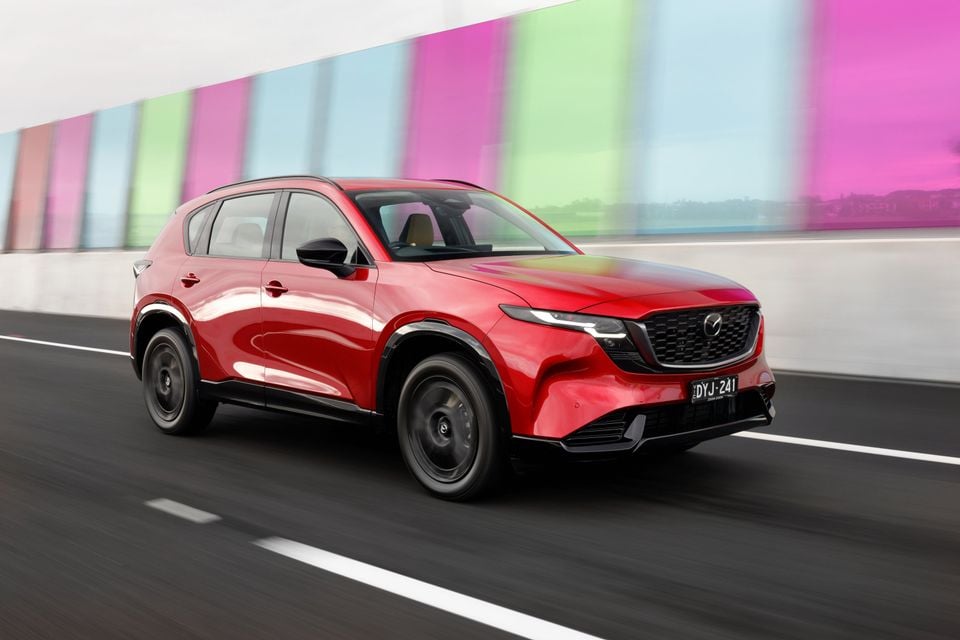
The 2026 Mazda CX-5 is available with seven exterior paint colours, including a new Navy Blue Mica which debuts on the new CX-5.
Available colours include:
- Rhodium White Metallic
- Aero Grey Metallic
- Polymetal Grey Metallic
- Machine Grey Metallic
- Jet Black Mica
- Soul Red Crystal Metallic
Available interior options include:
- Black and White Maztex: $1000 – Touring
- Tan leather: $1000 – Akera
To see how the Mazda CX-5 lines up against the competition, check out our comparison tool
Is the Mazda CX-5 safe?
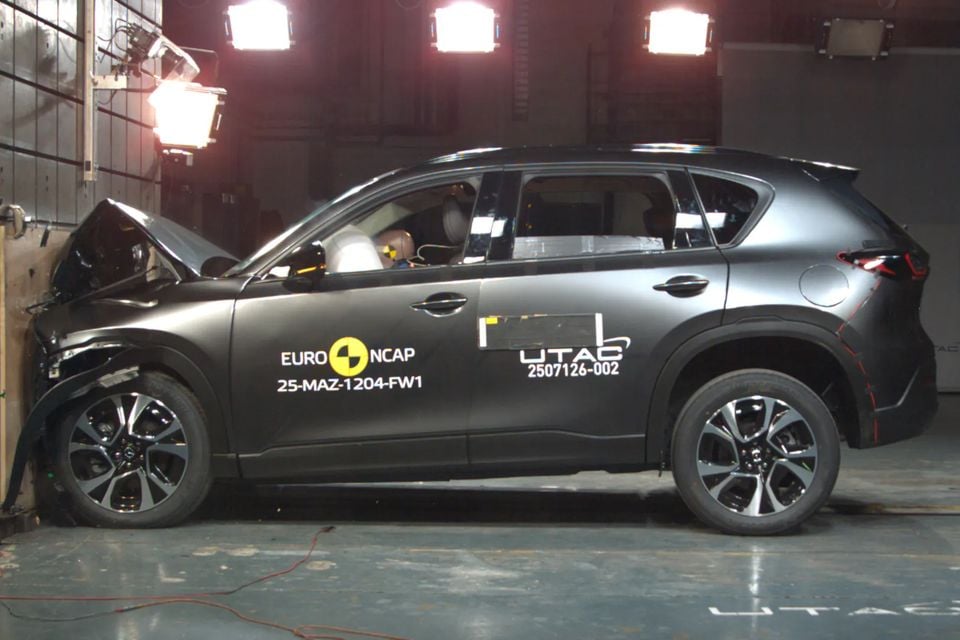
The new CX-5 is yet to be assessed by local auto safety body ANCAP, but Mazda Australia expects it to achieve the same five-star rating it was awarded by sister organisation Euro NCAP in 2025.
Standard range-wide safety features include:
- Adaptive cruise control incl. stop/go
- Smart City Brake Support – AEB
- Forward, reverse, turn across traffic
- Blind-spot monitoring with Vehicle Exit Warning
- Front/rear cross-traffic alert
- Lane departure warning
- Lane-keep assist
- Front and rear parking sensors
- LED headlights with auto on/off
- Driver attention monitor/warning
- High Beam Control
- Reversing camera
GT SP and Akera variants add a 360-degree View Monitor with see-through view and Adaptive LED Headlamps (ALH).
All new CX-5 vehicles will also come fitted with Mazda Connected Services as standard – though Australians will miss out on the Google Built-in features offered abroad.
Using the MyMazda app available for compatible smartphones, CX-5 owners will be able to use a range of internet-based remote services.
Mazda Connected Services features include:
- Vehicle Status and Health
- Stolen Vehicle Assistance
- Remote Lock
- Flash Lights function
- Vehicle Locator services
- Curfew Notification
- Geofencing capability
- Emergency SOS services
To see how the Mazda CX-5 lines up against the competition, check out our comparison tool
How much does the Mazda CX-5 cost to run?
The Mazda CX-5 is backed by a five-year, unlimited-kilometre warranty, and five years of roadside assistance. A capped-price service program will again be available, with cheaper pricing than before.
| Servicing and Warranty | Mazda CX-5 G25 Touring AWD |
|---|---|
| Warranty | 5 years, unlimited kilometres |
| Roadside assistance | 5 years |
| Service intervals | 12 months or 15,000 kilometres |
| Capped-price service cost |
$1229 (3 years) |
| Capped-price service cost |
$2201 (5 years) |
To see how the Mazda CX-5 lines up against the competition, check out our comparison tool
CarExpert’s Take on the Mazda CX-5
There’s plenty to like about the new CX-5, including its more spacious and upmarket interior, new-found on-road refinement, increased technology and equipment levels, and its fresh exterior design thanks to all-new sheetmetal.
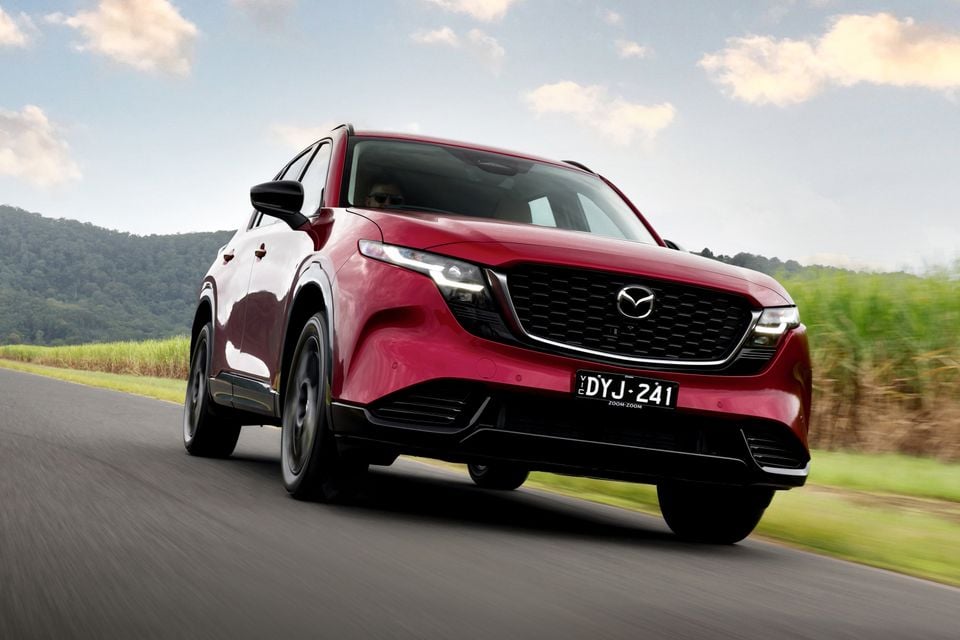
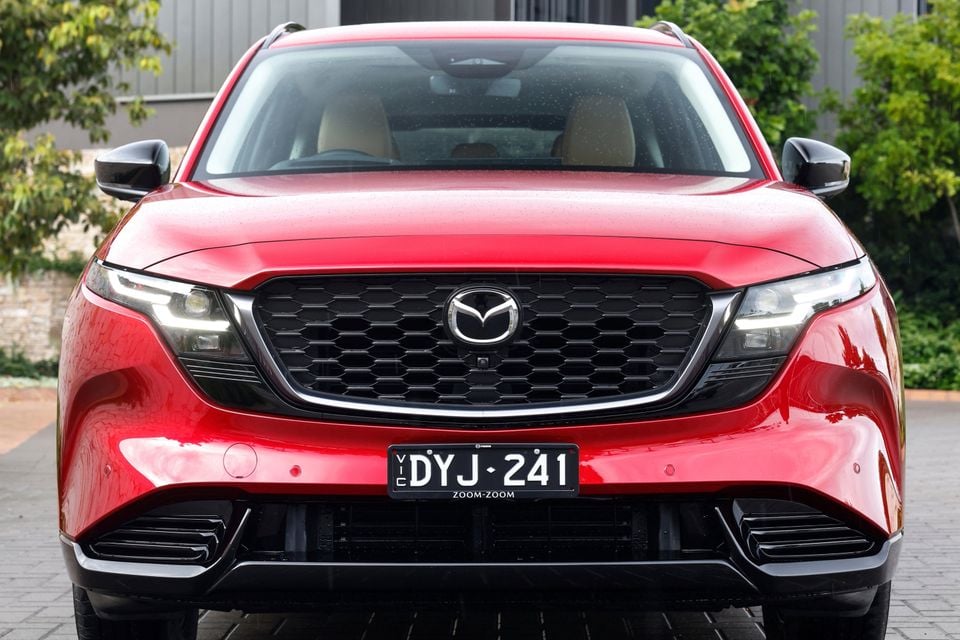
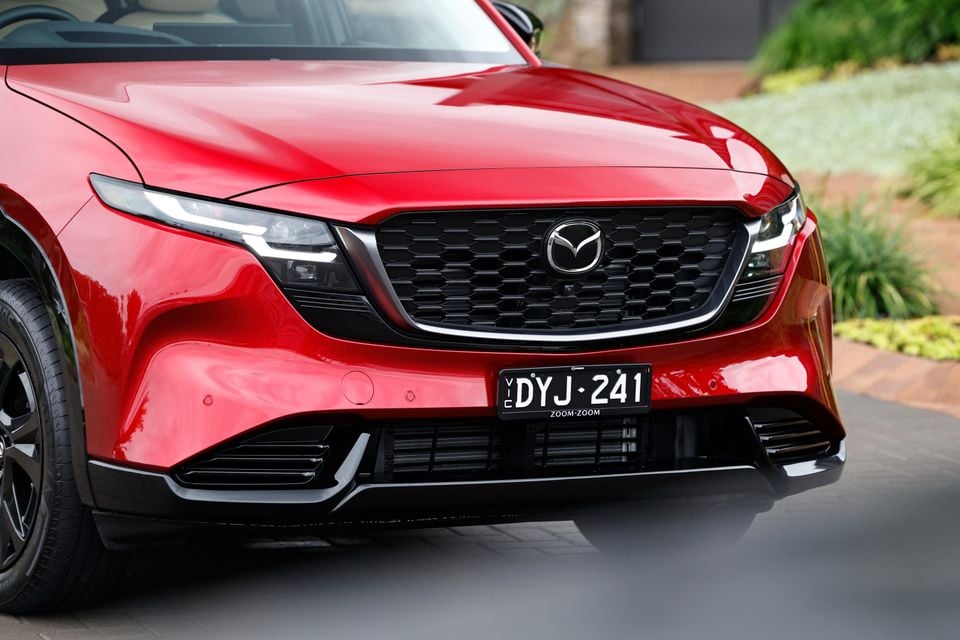
Some say the fussier rear-end design is a backward step, but aesthetics are in the eye of the beholder and, personally, I like the more muscular rear haunches and protruding, boomerang-shaped tail-lights, and the front-end is different enough to get noticed – just.
But the lack of physical controls and native sat-nav in the touch-heavy interior, combined with the absence of Google Built-in features, could turn off some traditional buyers and tech-heads alike.
And the hard plastic cabin materials and synthetic leather-clad steering wheel in the base model – which also lacks key equipment including wireless smartphone mirroring, inductive phone charging, heated seats and rear air vents – smacks of cost-cutting.
Slightly lower engine outputs (at least on regular unleaded), relatively high fuel consumption and the lack of any kind of electrification, at least so far, may also alienate some potential buyers.
But the bigger and more refined new CX-5 should continue to hit the sweet spot for the vast majority of Aussies with a great ride and handling package, and all the performance and technology most buyers are likely to need in a mid-size SUV.
CarExpert can save you thousands on a new Mazda CX-5. Click here to get a great deal.
Click the images for the full gallery