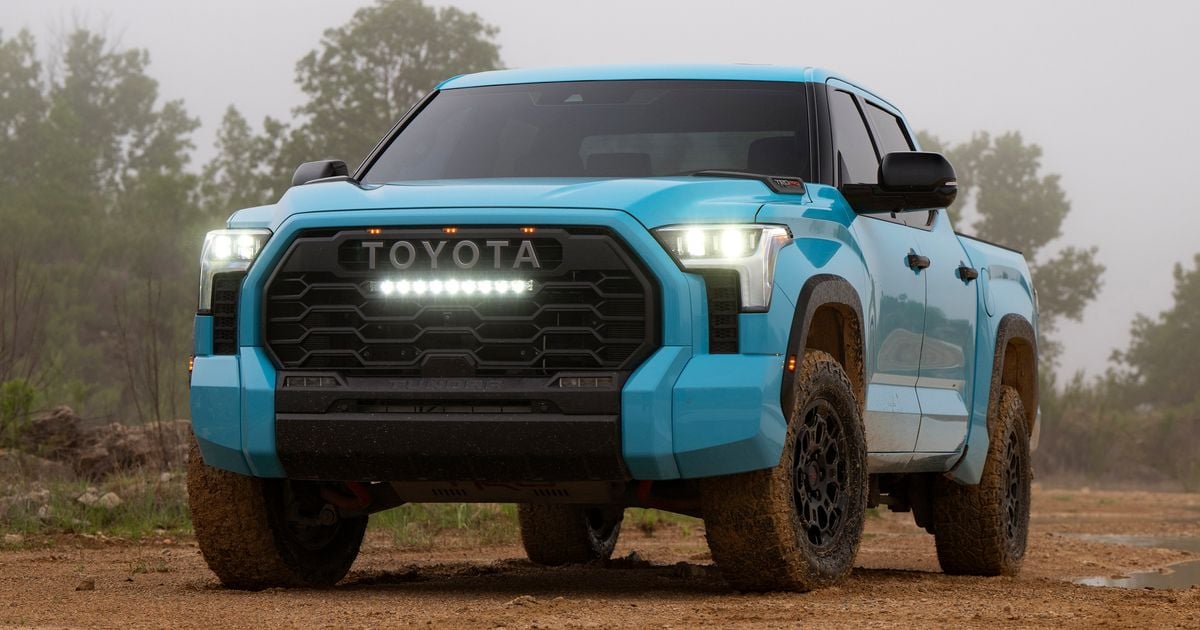
Toyota and Nissan have begun selling a trio of American-made models in Japan, but the promotional material for all three models warn customers about potential quality and quality-of-life issues.
The Nissan Murano, and Toyota Tundra and Highlander are now available to Japanese buyers, but unlike earlier imports from North America, none of these cars were originally designed to be sold in Japan and don’t fully adhere to local regulations.
While they don’t comply with all Japanese safety standards, they are allowed into the country as part of a tariff agreement made between the US and Japan in late 2025. In addition to capping tariffs on cars and other products exported from Japan at 15 per cent, Japan agreed to let US-made vehicles onto the local market with minimal changes.
These changes include recalibrating headlights, installing amber rear turn signals, metric instrumentation, and installing emergency flares and load labels.
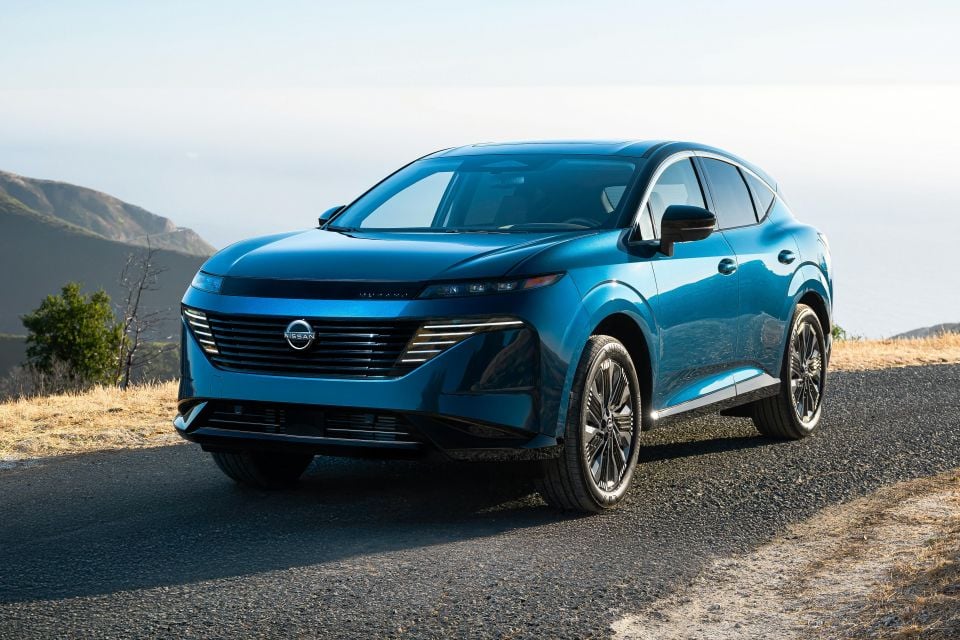
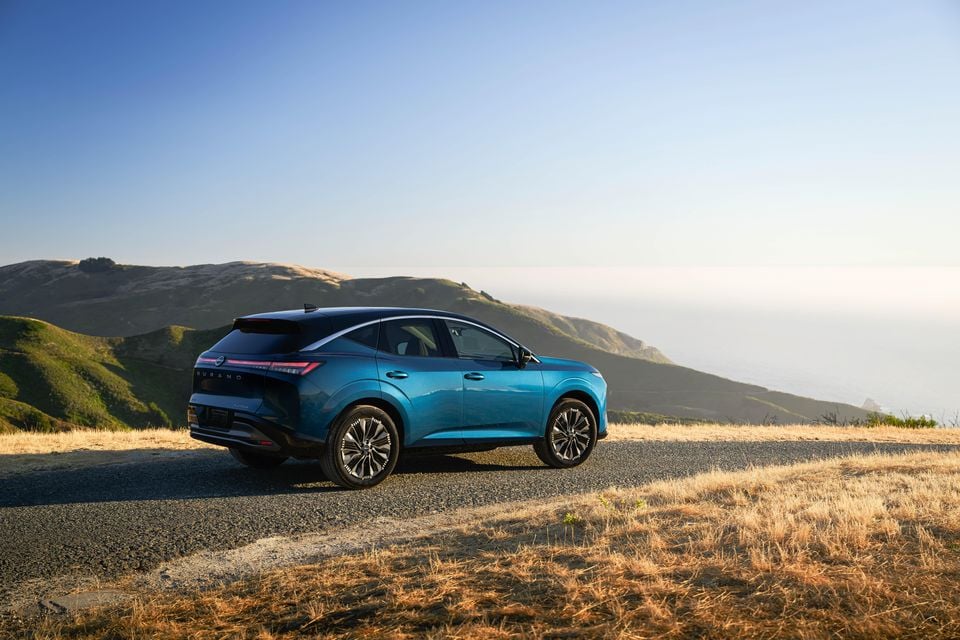
All of these details are listed on the web pages for the Murano, Tundra and Highlander. Additionally, the websites also point out some quality issues that customers of domestic brands may find unusual.
According to Toyota: “The paint finish of this product is designed for overseas markets. You may notice the following conditions, but these do not affect the function or performance, so please use with confidence.”
Among the issues Toyota points out are thin paint, uneven colour, polishing marks, and bulging. Nissan also warns potential customers about dust in the paint, uneven panel gaps and misaligned trim.
On top of this, some features have been removed, such as the Murano’s panic alarm and remote engine starter. While other features, such as in-car TV reception, AM/FM radio, HDMI input, emergency calls, road sign recognition, and remote connectivity services, are either not available or do not work in Japan.
Text on the infotainment and instrumentation screens can only be set to English, Spanish or French. To access navigation and media in Japanese, owners must connect their phone and use either Android Auto or Apple CarPlay.
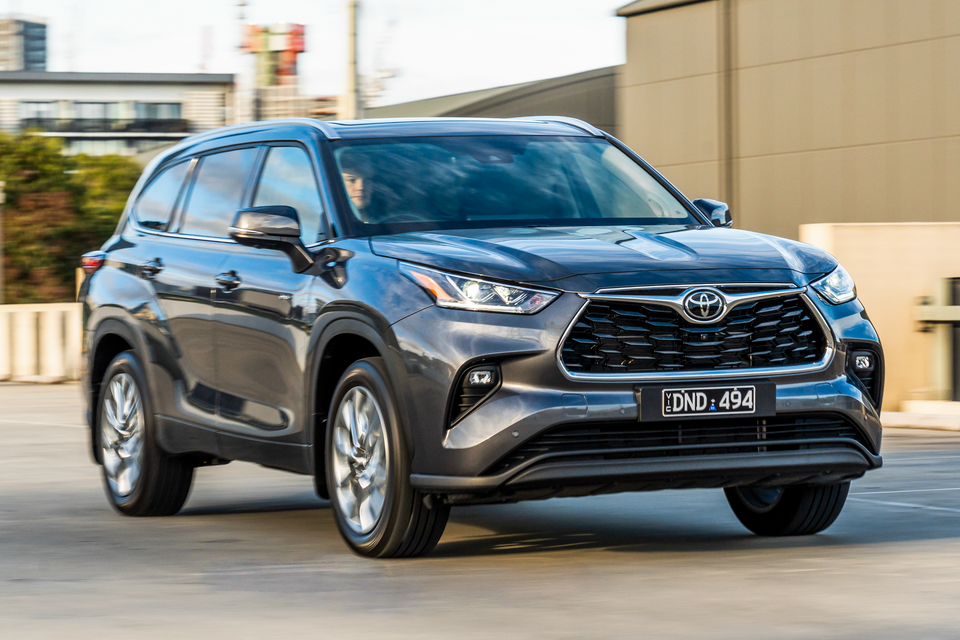
Both the Murano and Tundra will be sold in Japan in left-hand drive form, while the Highlander will be shipped as a right-hand drive vehicle. The latter is due to the fact the Highlander was originally designed to accommodate right-hand drive to facilitate sales in Australia, where we know it as the Kluger.
While the Tundra graces Australian showrooms in right-hand drive, it is built in San Antonio, Texas purely in left-hand drive form. In order for it go on sale Down Under, it is remanufactured in right-hand drive by Walkinshaw, which adds significantly to the price to the car.
This isn’t the first time Japanese automakers have sold their made-in-North America products back home.
Some examples include the 1999-2005 Honda LaGreat (the first “full-size” version of the Odyssey designed specifically for the USA), the first- and second-generation Toyota Avalon (the second generation of which was rebranded as the Pronard for Japan), and the second-generation Honda NSX.
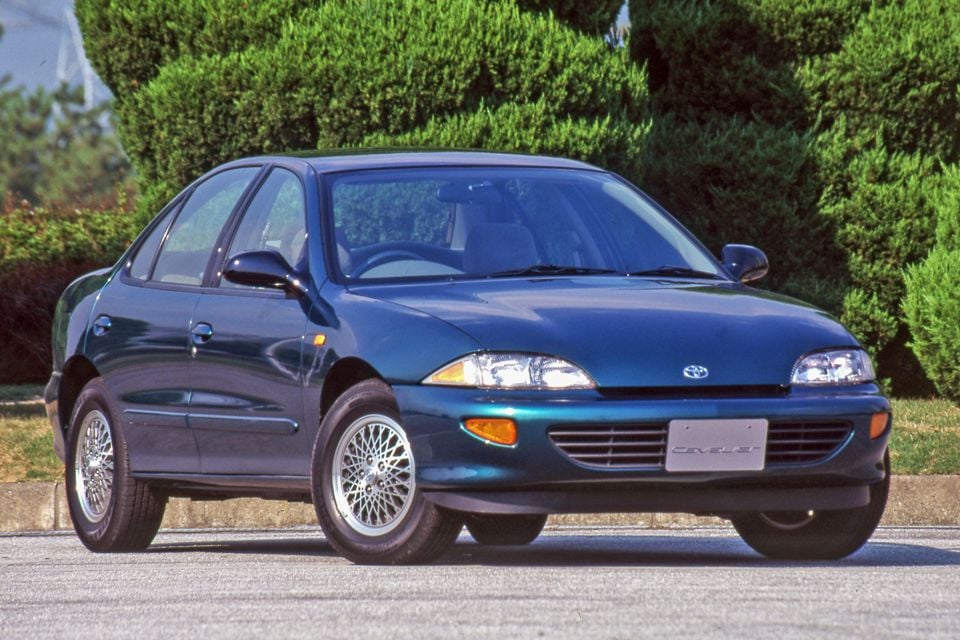
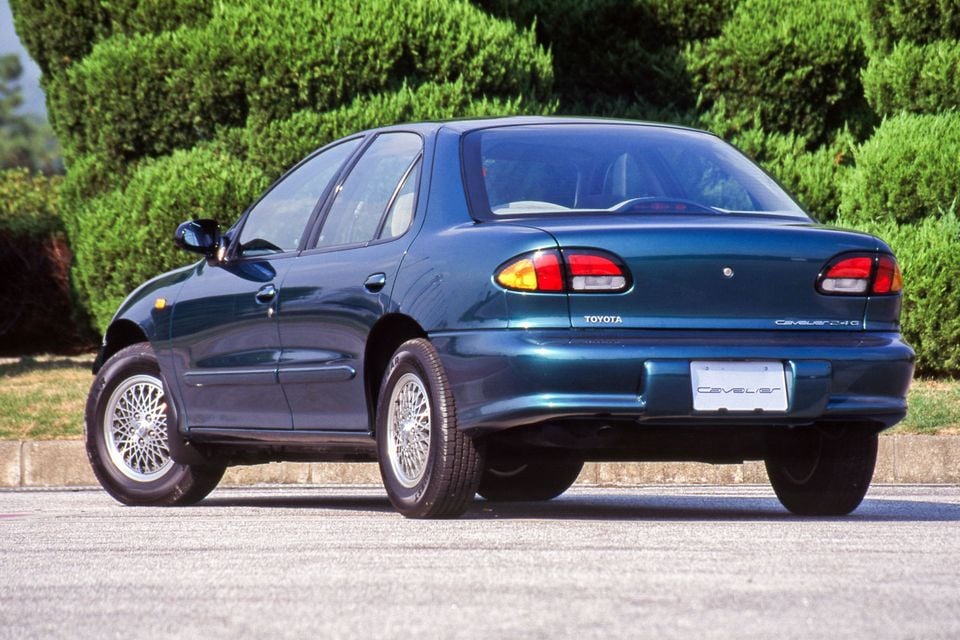
Perhaps the most infamous Toyota-branded import from the States was the Cavalier. Like today’s Murano, Tundra and Highlander, the Toyota Cavalier was product decision born out of trade tensions, and designed to help avoid export restrictions into the US.
Unlike the Tundra and Highlander which are built by Toyota using its own platforms and technologies, the Cavalier was lightly restyled, right-hook version of the Chevrolet Cavalier, and was built for Toyota by GM at its plant in Lordstown, Ohio.
Despite being more expensive than comparable locally-made models, the Cavalier earned a poor reputation due to GM’s laisseiz-faire approach to build quality.